Asphalt Repair vs. Asphalt Replacement: What Property Owners Should Know
Property owners seeking asphalt repair or replacement can rely on local contractors to assess, repair, or replace damaged pavement, ensuring a durable and safe surface.
If property owners in the area are considering the best way to address asphalt issues, understanding the differences between asphalt repair and asphalt replacement is essential. Whether dealing with minor cracks, potholes, or more extensive surface damage, making an informed choice can help preserve the property's value and safety. This page is designed to provide practical insights into when repair might suffice and when replacement could be necessary, helping property owners determine the most effective approach for their specific needs.
Exploring this topic is especially relevant for those managing commercial lots, residential driveways, or public spaces that require durable, long-lasting asphalt solutions. Local contractors specializing in asphalt repair can often handle minor repairs efficiently, saving time and money, while larger issues might call for more comprehensive replacement work. Keep reading to learn how to evaluate your asphalt condition and discover how experienced service providers in the area can assist in achieving the best results.
- Crack Repair - When surface cracks appear due to aging or minor damage, local contractors can often fix them through asphalt repair to extend pavement life.
- Pothole Filling - Potholes resulting from water infiltration or heavy traffic can be effectively addressed with asphalt repair methods by experienced service providers.
- Surface Resurfacing - Worn or faded asphalt surfaces may benefit from overlay or patching, which local pros can perform to restore appearance and functionality without full replacement.
- Edge Repair - Damaged edges along driveways or parking lots can be repaired to prevent further deterioration, with local contractors offering targeted asphalt repair solutions.
- Surface Sealing - Applying sealcoat to asphalt surfaces helps protect against future damage, and local service providers can advise if repair or replacement is more appropriate based on condition.
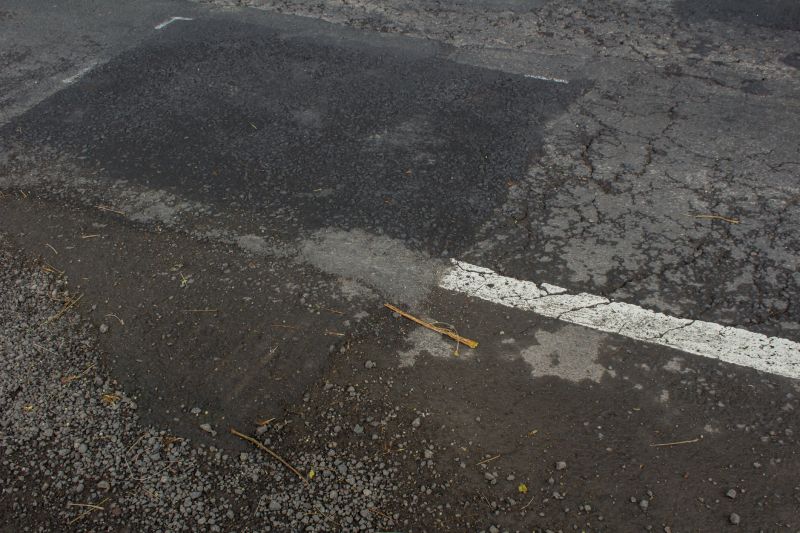
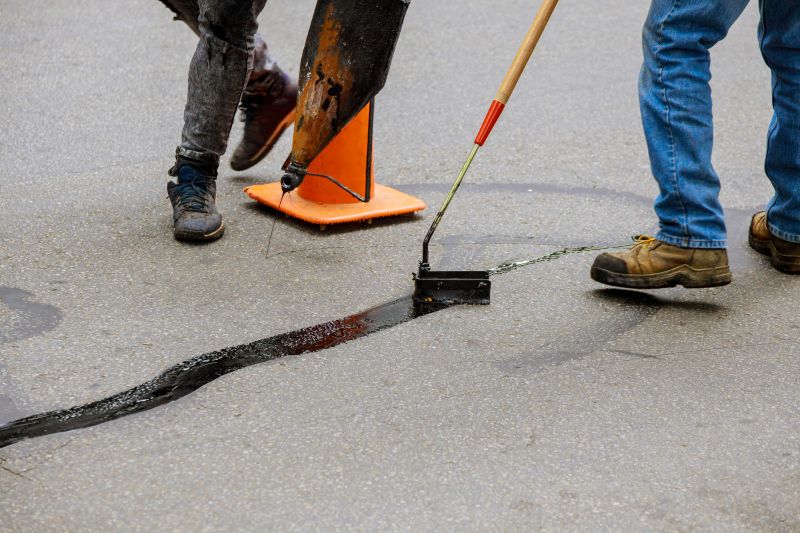
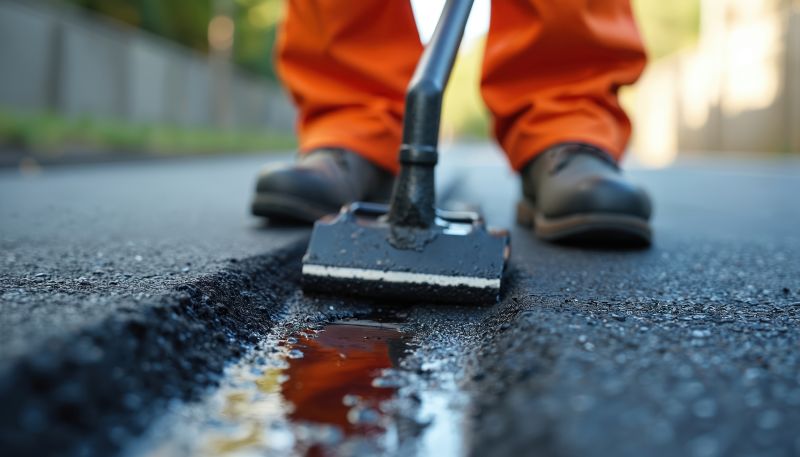
When property owners search for asphalt repair vs. asphalt replacement: what property owners should know, they are often trying to understand the best way to address issues with their paved surfaces. This topic typically comes up when there are visible signs of damage, such as cracks, potholes, or surface deterioration, and the property owner wants to determine whether a simple repair will suffice or if a full replacement is necessary. The decision often hinges on the extent and severity of the damage, as well as the overall condition of the asphalt. Property owners may be planning to improve their driveways, parking lots, or walkways, and understanding the difference helps them make informed choices about how to maintain or restore their surfaces effectively.
This subject relates closely to common problems like surface cracking, rutting, and water pooling, which can compromise the safety and functionality of asphalt surfaces. It also ties into property improvement plans, whether for residential driveways or commercial parking areas. For example, a homeowner might notice small cracks developing over time and wonder if they can simply repair those spots, or if the entire driveway needs to be replaced. Property owners typically want to extend the lifespan of their asphalt and avoid unnecessary expenses, so understanding when repair is enough versus when replacement is needed is crucial. Local contractors who specialize in asphalt work can assess these issues firsthand, providing guidance on the most practical and cost-effective solutions.
The types of properties that frequently come up in discussions about asphalt repair vs. asphalt replacement include residential homes, apartment complexes, retail centers, and industrial facilities. Residential properties often seek repairs for driveways and walkways, aiming to maintain curb appeal and safety. Commercial properties, such as parking lots for businesses, may require more extensive assessments to ensure durability and compliance with safety standards. Industrial sites might face heavy-duty wear and tear, making it vital to choose the right approach to keep surfaces functional and safe. Regardless of property type, the key is to work with local service providers who understand the specific demands of different surfaces and can recommend the appropriate solution based on the condition of the asphalt.
For property owners, understanding the difference between asphalt repair and asphalt replacement is essential for making smart decisions about their surfaces. Repair work typically involves fixing localized problems like cracks, potholes, or surface overlays, which can extend the life of existing asphalt. Replacement, on the other hand, involves removing and installing new asphalt when the existing surface has deteriorated beyond simple repair. Local asphalt contractors can evaluate the condition of a property’s paved areas and advise on the best course of action. This ensures that property owners invest in solutions that are both practical and durable, helping them maintain safe, attractive, and functional surfaces without unnecessary expense or effort.
Parking lot paving projects - local contractors often handle asphalt repairs and replacements, utilizing similar planning and surface preparation skills.
Driveway resurfacing services - these projects require assessment of existing asphalt and can involve repair techniques comparable to those used in asphalt repair vs. asphalt replacement decisions.
Sidewalk and walkway repair - fixing or replacing cracked or damaged asphalt surfaces involves planning and tools similar to those used in larger asphalt repair projects.
Roadway maintenance and patching - maintenance tasks often involve identifying when repairs suffice or when full replacement is necessary, paralleling asphalt repair vs. asphalt replacement considerations.
Sealcoating and surface preservation - these services require understanding of asphalt condition, which is essential when deciding between repair and replacement options.
Pothole repairs - fixing potholes involves localized patching techniques that are foundational to broader asphalt repair strategies and planning.
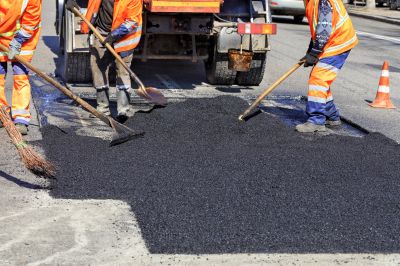
When evaluating asphalt repair services versus full asphalt replacement, property owners should prioritize experience with similar projects. Local contractors who have successfully handled repairs in comparable environments or for properties with similar usage patterns are more likely to understand the nuances involved. This experience can influence the quality and durability of the work, ensuring that the chosen service aligns with the specific needs of the property. It is beneficial to inquire about the contractor’s past projects, focusing on their familiarity with asphalt repair techniques and their ability to address common issues such as cracks, potholes, or surface deterioration effectively.
Clear written expectations are essential when comparing local service providers for asphalt repair. Property owners should seek detailed descriptions of the scope of work, including what the repair process entails, the materials used, and the expected outcomes. Transparent communication helps prevent misunderstandings and provides a basis for assessing whether the contractor’s approach aligns with the property’s requirements. Reputable contractors are typically willing to provide written estimates or proposals that outline the work plan, which can serve as a reference point when making comparisons between different service providers.
Reputable references and good communication are key factors in selecting the right contractor for asphalt repair services. Property owners should ask for references from previous clients who had similar repairs completed, to gauge the contractor’s reliability and quality of work. Additionally, the ability of a service provider to clearly answer questions, explain repair options, and keep open lines of communication throughout the project indicates professionalism and a focus on customer needs. These qualities help ensure that the property owner remains informed and confident in the decision-making process when choosing between repair and replacement options.
Property owners often search for asphalt repair vs. asphalt replacement: what property owners should know when they are planning practical projects around their homes and businesses. Local pros provide Asphalt Repair services for everyday jobs and straightforward project options.
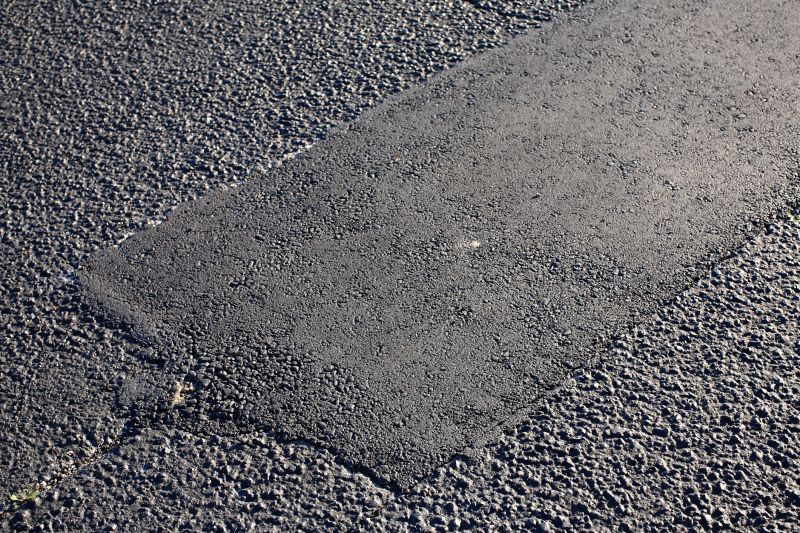
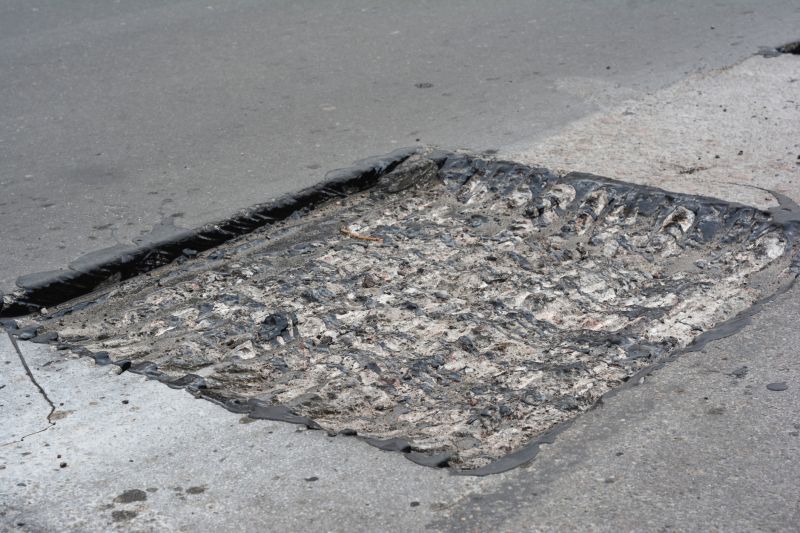
Understanding the differences between asphalt repair and asphalt replacement is essential for property owners facing pavement issues. Small cracks, surface wear, or minor potholes often indicate that asphalt repair services provided by local contractors could be sufficient to restore the surface and extend its lifespan. Property owners might look up this topic when they notice their driveway or parking lot showing signs of aging but want to avoid unnecessary full replacements. By exploring these options, they can find local service providers who can assess the condition of the asphalt and recommend the most practical, cost-effective solution.
On the other hand, more extensive damage such as deep potholes, widespread cracking, or significant structural deterioration may require asphalt replacement. Property owners searching for guidance might want to understand when repair work is no longer enough and replacement becomes necessary to ensure safety and durability. Local contractors experienced in asphalt services can help determine whether a repair will hold or if a full replacement is the best long-term solution. This knowledge allows property owners to make informed decisions about maintaining their pavement while working with trusted local professionals.
What is the main difference between asphalt repair and asphalt replacement? Asphalt repair involves fixing specific areas of damage, such as cracks or potholes, while asphalt replacement replaces entire sections of the driveway or pavement. Local contractors can assess which option best suits the condition of the existing asphalt.
When should property owners consider asphalt repair instead of replacement? Repair is suitable for minor damages or surface issues that do not affect the structural integrity of the asphalt. Service providers can determine if repairs will extend the lifespan or if replacement is necessary.
Can asphalt repair improve the longevity of my existing pavement? Yes, proper asphalt repair can help maintain the surface, prevent further damage, and extend its useful life. Local pros can perform repairs that address current issues and help preserve the pavement.
Is asphalt replacement always necessary for severely damaged pavement? Not always; in some cases, extensive repairs or partial resurfacing may be sufficient. A professional assessment from local contractors can identify the most effective solution based on the damage level.
How do local service providers determine whether to repair or replace asphalt? They evaluate factors such as the extent of damage, age of the pavement, and underlying structural issues. This assessment guides property owners toward the most practical and cost-effective choice.
Assessing damage levels - Property owners can evaluate whether minor cracks or potholes are suitable for asphalt repair or if more extensive issues require replacement, with guidance from local contractors.
Understanding repair options - Knowing when asphalt repair techniques like patching or sealing can extend pavement life helps property owners plan maintenance projects effectively.
Planning for long-term durability - Considering factors such as traffic load and weather conditions can help determine if repair methods will suffice or if replacement is necessary for lasting results.
Choosing the right service provider - Connecting with experienced local service providers ensures proper assessment and application of the most appropriate asphalt repair or replacement solutions.
If you are thinking about asphalt repair vs. asphalt replacement: what property owners should know for a property, this guide is meant to help you understand this topic, the typical project types, and how different options might fit your plans.
When you are ready, you can use the quote form on this page to share a few details about your project. From there, local pros can review the basics and follow up with options that match what you have in mind.